
Blog
How Sonic Logos Build Brand Recognition
5 min read
Estimated reading time
Sas Thompson
Author
2026-09-08
Published
The power of a brand's identity is well established in the world of branding and advertising. In an environment where consumers are exposed to an ever-growing amount of information, competition for attention is increasingly intense and meaningful brand differentiation is becoming harder to sustain.
In this battle for differentiation, brands continually look for new ways to capture the hearts and minds of consumers. While the strategies may differ, the goal remains largely the same: capture attention, create recognition and turn that recognition into engagement.
But how do brands cut through the noise?
The answer lies in emotion.
Behavioural science and consumer neuroscience have long demonstrated the importance of emotional responses in shaping attention, memory and decision-making. As advertising executive Kevin Roberts put it: “Reason leads to conclusion. Emotion leads to action.” Eighty per cent of decision-making can be attributed to this emotional connection. For brands, establishing an emotional connection can therefore play an important role in moving consumers beyond simply noticing an advert towards engaging with it.
That connection often needs to happen quickly. Consumers do not necessarily spend time consciously evaluating every advertisement or brand they encounter. Instead, much of the work of recognition happens almost instantaneously. The more distinctive and familiar a brand is, the easier it becomes for consumers to identify it, connect it with previous experiences and understand who is communicating with them.
This is where brand assets become particularly powerful in initiating and fostering these strong, instantaneous connections.
Brand Assets Can Be Visual And Sonic
Most people can recognise their favourite brands without seeing their name. A particular colour, shape or typeface, or a combination of these elements, can be enough to create an instant connection.
These elements form part of a brand's distinctive assets: the collection of sensory cues that, through repeated and consistent use, become associated with that brand. Traditionally, the development of these assets has been predominantly visual.
But brands are not only seen. They are also heard.
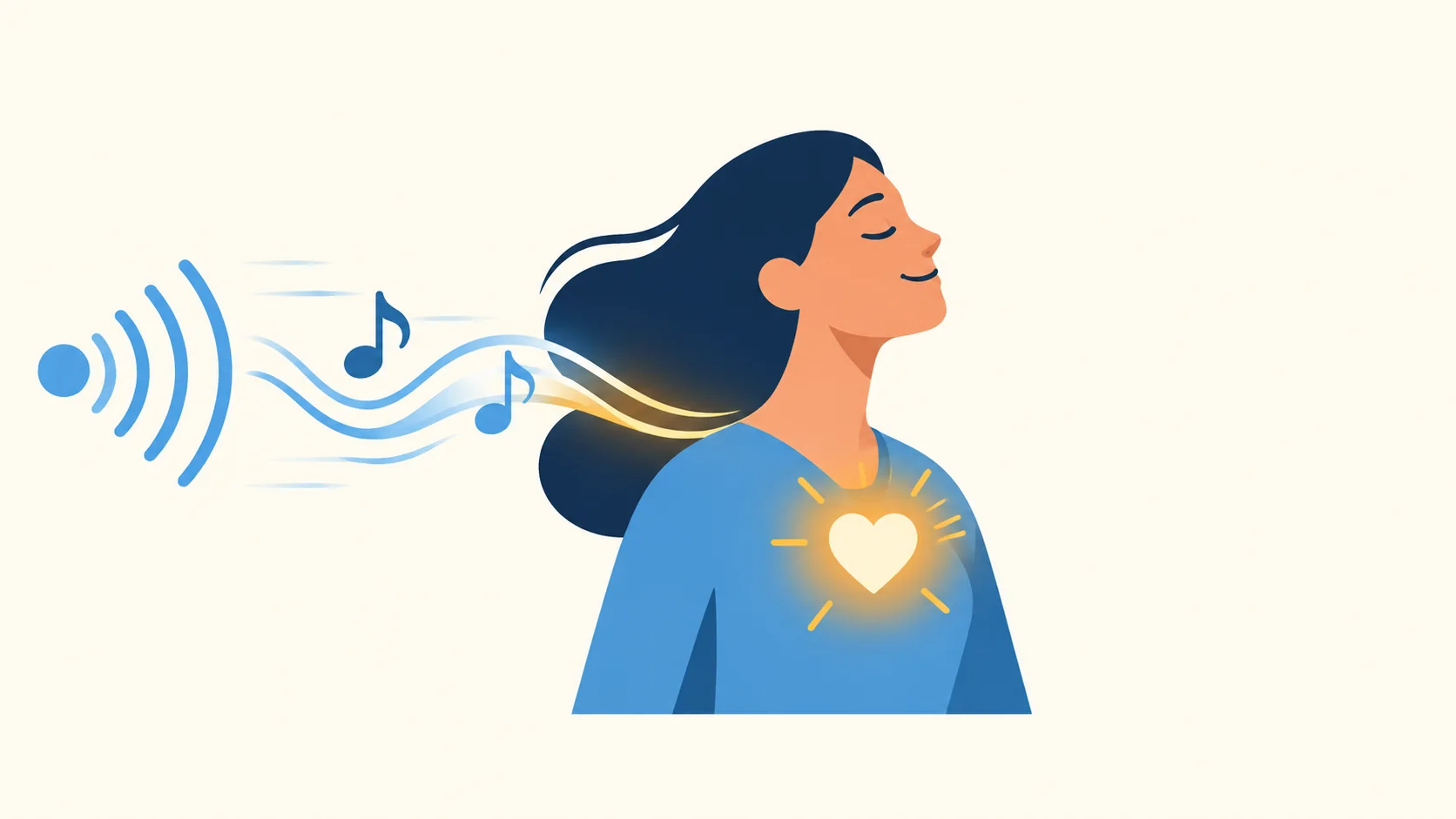
Music, voices, sound effects and short musical signatures can all contribute to brand identity and build emotional resonance. Beyond their visual counterparts, sonic assets have been found to create this emotional resonance faster, fostering more durable brand recall.[1] Since sound reaches the brain two to four times faster than visual information, these sounds have a powerful edge in creating an emotional hook in the consumer and a faster route through which a brand can establish recognition and emotional resonance.[2]
A sonic logo is perhaps the clearest expression of this idea. Much like a visual logo distils a brand into a recognisable visual mark, a sonic logo distils its audio identity into a short and distinctive piece of sound. It may last only a few seconds, but when used effectively, those few seconds can carry a considerable amount of brand identity.
Why Distinctive Assets Matter
Rather than requiring people to consciously identify a company every time they encounter it, distinctive assets provide familiar signals that can make recognition faster and more intuitive. With consistent use, the connection between an asset and the brand becomes stronger.
This is particularly important when attention is limited. A consumer scrolling through social media, listening to a podcast or watching an online video may encounter hundreds of competing messages throughout the day. Brands rarely have the luxury of prolonged, undivided attention.
The goal, therefore, is not simply to create an identity that looks or sounds appealing. It is to create an identity that is distinctive enough to be recognised quickly and consistent enough to become embedded in memory.
The strongest brand assets can eventually operate independently of the brand name itself. A colour combination, graphic shape or fragment of a logo can be enough to identify who is speaking. That recognition gives brands an advantage: they can spend less of an interaction establishing who they are and more of it communicating what they want to say.
Why Sonic Assets Matter Now
While almost every established brand has carefully considered how it looks, historically far fewer have given the same attention to how they sound.
Yet the way consumers experience brands has changed dramatically.
Streaming services, podcasts, social media, apps and digital experiences have created an environment in which audio plays an increasingly prominent role. In many of these interactions, the screen may not even be the consumer's primary focus. For example, TikTok dance trends can go viral in a matter of hours, reaching millions of screens and demonstrating how anything from a brief sound clip to an entire song can grab and hold attention in seconds.[3]
This power gives brands an opportunity to create recognition in those first few crucial moments.
Sound also has characteristics that make it particularly interesting from an emotional perspective. Music and sound can create anticipation, excitement, comfort or tension almost immediately. A carefully constructed sonic identity can therefore do more than announce the presence of a brand; it can contribute to how people feel about that brand.
This combination of recognition and emotion is what makes sonic branding so powerful. A successful sonic asset does not simply need to be memorable. It needs to become meaningfully connected with the identity it represents.
Consistency is critical to creating that connection. Just as repeatedly changing a visual logo would make recognition more difficult, sonic assets need repeated exposure before audiences can build strong associations with them. Over time, however, even a handful of notes can become unmistakably linked to a particular brand.
Famous Sonic Assets
Some of the world's most recognisable brands demonstrate just how powerful this association can become.
Intel's five-note sonic logo is one of the best-known examples. The sequence is remarkably short, yet decades of consistent use have allowed it to become closely associated with the brand. The sound does not need to explain Intel or describe its products. Its role is simpler: to signal the brand almost instantaneously.
Netflix provides a more recent example. Its distinctive "ta-dum" accompanies the beginning of the viewing experience, creating a brief transition between choosing something to watch and the content beginning. Through repetition, a sound lasting only a couple of seconds has become strongly connected with the Netflix experience, while also evoking anticipation and excitement.
The same principle can be seen across many other brands, from the musical signatures used by technology companies to the sounds associated with entertainment platforms, broadcasters and services.
What these examples demonstrate is that the value of a sonic logo does not come from complexity. In fact, the opposite is often true. Its strength comes from being distinctive, recognisable and consistently connected with the brand.
The Power Of Being Heard
As competition for consumer attention continues to grow, brands need to consider every opportunity they have to create recognition.
Visual identity will remain fundamental, but identity does not need to stop at what consumers can see. Every interaction has the potential to reinforce who a brand is, and sound provides another powerful route into memory and emotion.
A strong sonic logo can capture attention in seconds, signal a brand without requiring its name and contribute to the emotional character of an experience. Repeated consistently, it can become as distinctive as a colour, typeface or visual logo.
In a crowded marketplace, the challenge is no longer simply being seen.
It is being recognised.
And sometimes, recognition begins with being heard.
References
[1] The science of sonic branding. MusicGrid.
[2] Why we remember sonic logos more than visual ones. A-MNEMONIC.
[3] How TikTok trends are changing the way we listen to music. The Mirror.
Related posts
Continue reading

The choices that drive purchases are made quickly and mostly outside awareness. The smartest research measures those first few seconds.
Darren Bridger · 2026-05-03
Read more
Designing effective packaging is a challenging business. Not only must you win over shoppers within seconds, but you must do so against the ever-evolving range of competitors on the shelves. Real…
Darren Bridger · 2026-05-03
Read more
Every first Monday in May, millions of us tune in to the Met Gala for one reason: to look. As each celebrity arrives at the exclusive fashion fundraiser, our eyes immediately see something that makes…
Kiara-Lee Govender · 2026-04-24
Read more